
In cosmetic injectables, a cannula is a thin, flexible tube with a blunt, rounded tip used to place dermal filler beneath the skin. Unlike a sharp needle, its blunt end is designed to glide through tissue and nudge blood vessels aside rather than pierce them—an approach many injectors choose to reduce bruising and, importantly, the risk of accidentally injecting filler into a vessel. Understanding the cannula helps explain why a treatment plan might favour one tool over another.
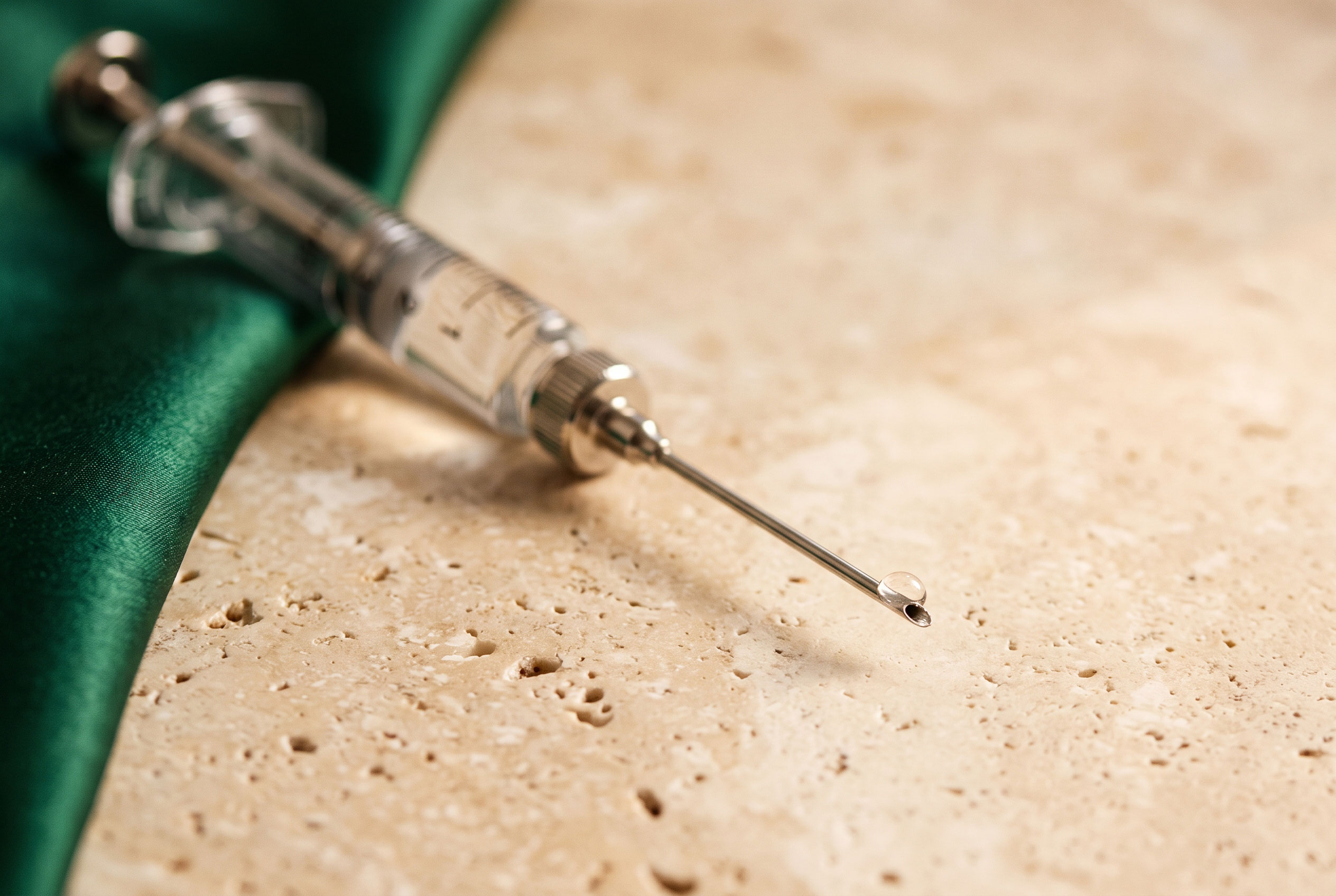
At a glance
- What it is: A thin tube with a blunt, non-cutting tip used to deliver dermal filler
- How it’s inserted: Through a small entry point first made by a needle (a “pilot hole”)
- Key advantage: The blunt tip displaces blood vessels rather than cutting them, lowering the risk of vascular occlusion
- Also reduces: Bruising, swelling and the number of entry points—one entry can treat a wider area
- Sizes: Commonly 22 to 27 gauge (a higher number is thinner), typically an inch or longer
- Not always first choice: Needles remain preferable for very precise, superficial or fibrous placement
What is a cannula?
In aesthetics, a cannula—more precisely a blunt-tip microcannula—is a slender metal tube with a rounded end and a small opening (side port) near the tip through which filler is delivered.[1] Because the tip is blunt rather than sharp, it cannot pierce the skin on its own, so a needle is first used to create a small entry point, and the microcannula is then threaded through that opening and advanced through the tissue.[1] This is the main alternative to injecting dermal filler with a traditional sharp needle.
Why cannulas are used in filler treatments
The central reason is vascular safety. Because the tip is blunt, it tends to displace blood vessels rather than lacerate them, which lowers the chance of accidentally threading filler into an artery—the event behind the most serious filler complication, vascular occlusion.[1] The difference can be substantial: in a large retrospective analysis led by Alam and colleagues, cannula injections were associated with roughly 77% lower odds of vascular occlusion than needle injections.[2] A cannula does not make treatment risk-free, but it meaningfully shifts the odds.
Less bruising, fewer entry points
Beyond vascular safety, cannulas are associated with less bruising, swelling and discomfort, because a single blunt instrument moving through tissue is gentler than repeated needle passes.[1] A cannula’s length also lets an injector reach a wider area from one entry point, so fewer punctures are needed overall—which many patients find more comfortable and quicker to recover from.
Cannula vs needle: when each is used
Neither tool is simply better—they suit different jobs. Sharp needles offer precise, direct placement and are often preferred for small, superficial or fibrous areas and for injecting onto bone. Cannulas suit larger, softer planes where gliding through tissue and avoiding vessels is an advantage. Gauge matters too: a wider cannula (for example 22–25 gauge) is more difficult to push into a vessel wall than a very fine one, which is one reason many injectors avoid the thinnest cannulas in higher-risk areas.[1] The right choice depends on the region, the filler and the injector’s judgement.
Where cannulas are commonly used
Cannulas are frequently chosen for areas that are either vascular or benefit from smooth, even placement across a broad plane—among them the midface and cheeks, the tear troughs under the eyes, the nasolabial folds, the jawline and the lips. In these regions, the combination of fewer entry points and reduced vessel trauma is especially valuable. The specific approach is always tailored to the person’s anatomy and the result they want.
Does a cannula remove all risk?
No. A cannula reduces risk but does not eliminate it, and safe filler treatment still depends on a skilled injector with a thorough knowledge of facial anatomy. Vascular complications remain possible, particularly in higher-risk zones such as the glabella, nose and nasolabial folds.[3] If an occlusion does occur with a hyaluronic acid filler, prompt treatment with hyaluronidase can dissolve the filler and restore blood flow—one analysis reported recovery in the large majority of cases when treated—but timing is critical, as delays raise the risk of lasting damage such as tissue necrosis.[3] In short, the cannula is a valuable safety tool, not a substitute for expertise.
Related glossary terms
- Dermal Filler
- Hyaluronic Acid
- Vascular Occlusion
- Hyaluronidase
- Tear Troughs
- Nasolabial Folds
- Ecchymosis
Clinical & editorial sources
- Hosseinipour M (from a lecture by Keaney TC). Cannula vs. Needle for Dermal Fillers. Next Steps in Dermatology. nextstepsinderm.com
- Vascular occlusion may be less likely with fillers via cannulas vs. needles (reporting a retrospective cohort by Alam et al.). Healio. 2021. healio.com
- Chakhachiro A, Waseem M. Risk Factor Analysis for Vascular Occlusions After Dermal Filler Injections: A Systematic Review and Meta-Analysis. Cureus. 2025. doi:10.7759/cureus.82800
This glossary entry provides general educational information and does not replace an individual clinical assessment or medical advice.
Clinically reviewed by: Leah Zawawi, RPN | Medical Aesthetics & Injectables.
Last reviewed: August 2026.