
Welcome to Revel Beauty Club’s Canadian Glossary of Medical Aesthetics, a clear, plain-language reference to the ingredients, treatments, technology and anatomy behind modern medical aesthetics and injectable care. Whether you’ve come across an unfamiliar term in a consultation, on a product label or in your own research, each entry explains what it means, how it works and why it matters, written for a Canadian audience.
Inside you’ll find everything from exfoliating acids such as alpha hydroxy acids and beta hydroxy acids, to injectables like botulinum toxin type A and dermal filler, to the underlying skin science of collagen, elastin and fibroblasts. Browse alphabetically using the letter tiles, or follow the links within each entry to explore related terms and build a fuller picture.
Every definition is written to be accurate, balanced and genuinely useful and educational. Our glossary is clinically reviewed by Leah Zawawi (RPN) and each entry draws on trusted medical and scientific sources, including peer-reviewed literature and Health Canada guidance. This is an educational resource and is not a substitute for a personal consultation with a qualified healthcare professional.
-

Alpha Hydroxy Acids (AHAs)
Alpha hydroxy acids (AHAs) are a group of naturally derived, water-soluble acids used in skincare and professional treatments to exfoliate the skin’s surface. By loosening the bonds between dead surface cells, AHAs help reveal smoother, brighter, more even-toned skin, and they are a cornerstone ingredient in many chemical peels.
-
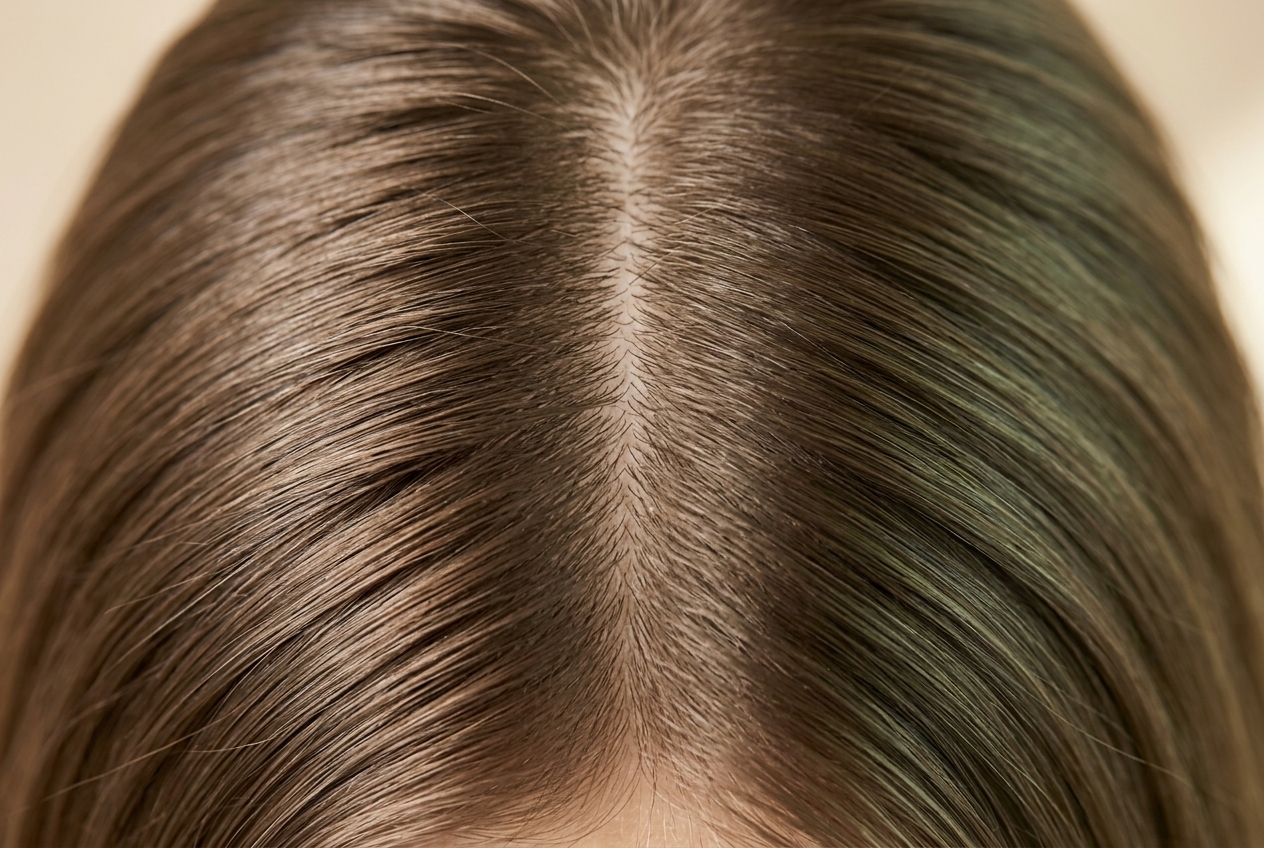
Androgenetic Alopecia
Androgenetic alopecia (AGA), commonly called male-pattern or female-pattern hair loss, is the most common cause of progressive hair thinning. It is a genetically influenced, androgen-driven condition in which sensitive hair follicles gradually shrink, producing finer, shorter hairs and a recognizable pattern of loss across the scalp. It is not a sign of poor general health, and several evidence-based treatments can slow it or partially restore density.
-

Beta Hydroxy Acids (BHAs)
Beta hydroxy acids (BHAs) are a group of oil-soluble exfoliating acids used in skincare and professional treatments. The main BHA used on the skin is salicylic acid. Because BHAs dissolve in oil, they can penetrate into sebum-filled pores—which makes them especially useful for oily, congested and acne-prone skin. Like alpha hydroxy acids they exfoliate, but they work more deeply inside the pore.
-
Bioavailability
Bioavailability describes how much of an active ingredient—a drug, vitamin or skincare compound—actually reaches the bloodstream or its target in the body in a form it can use, and how quickly it gets there. It is a cornerstone concept in pharmacology and, increasingly, in aesthetics, because an ingredient is only as effective as the fraction that is genuinely absorbed. A product can contain a powerful active and still do very little if only a small amount of it is bioavailable.
-

Botox
Botox is the brand name for one of several botulinum toxin type A products used to temporarily relax targeted muscles. Made by AbbVie (originally Allergan), it was the first botulinum toxin brand widely adopted in aesthetics and remains the best known. By briefly blocking the nerve signals that make muscles contract, Botox softens the dynamic wrinkles created by repeated facial expressions—and it is also used to treat a range of medical conditions.
-

Botulinum Toxin Type A
Botulinum toxin type A is a purified protein used in tiny, controlled doses to temporarily relax specific muscles. Produced by the bacterium Clostridium botulinum, it is the active substance behind well-known injectable brands such as Botox, Dysport and Xeomin. In medical aesthetics it softens the lines created by facial expression; in medicine it treats a range of conditions driven by overactive muscles or nerves. This entry explains the science of the molecule itself—for individual brands, see their own entries.
-

Calcium Hydroxylapatite
Calcium hydroxylapatite (CaHA) is a mineral naturally found in human bone that, in a purified synthetic form, is used as an injectable dermal filler. Best known by the brand Radiesse, it works in two ways: the gel it is suspended in adds volume straight away, while tiny CaHA microspheres prompt the skin to build its own collagen over the following months. This dual action—immediate lift plus gradual, natural collagen stimulation—makes it a distinctive option among cosmetic injectables.
-

Cannula
In cosmetic injectables, a cannula is a thin, flexible tube with a blunt, rounded tip used to place dermal filler beneath the skin. Unlike a sharp needle, its blunt end is designed to glide through tissue and nudge blood vessels aside rather than pierce them—an approach many injectors choose to reduce bruising and, importantly, the risk of accidentally injecting filler into a vessel. Understanding the cannula helps explain why a treatment plan might favour one tool over another.
-
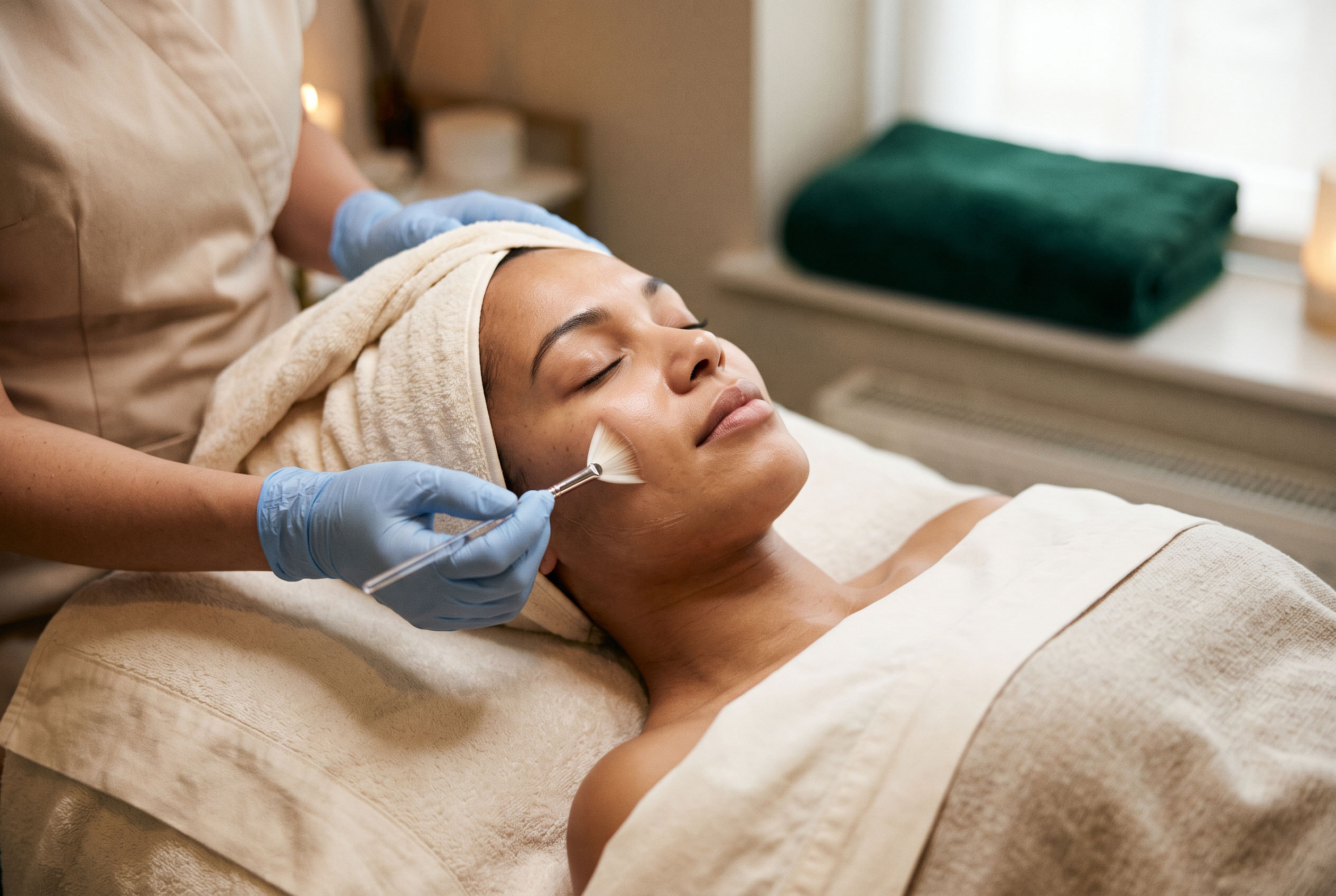
Chemical Peel
A chemical peel is a skin-resurfacing treatment in which a chemical solution is applied to the skin to remove its outer layers in a controlled way, prompting fresher, smoother skin to grow in their place. Peels range from light, low-downtime refreshers to deeper medical procedures, and the depth is matched to the concern being treated—from dullness and uneven tone to fine lines, acne and sun damage.
-

Collagen
Collagen is the main structural protein in the skin—the scaffolding that gives it firmness, strength and a smooth, plump surface. Produced by cells called fibroblasts, it makes up the large majority of the skin’s deeper layer, the dermis. From our mid-twenties onward the body gradually makes less of it while existing collagen breaks down faster, which is why supporting and stimulating collagen sits at the heart of so much skincare and medical aesthetics.
-
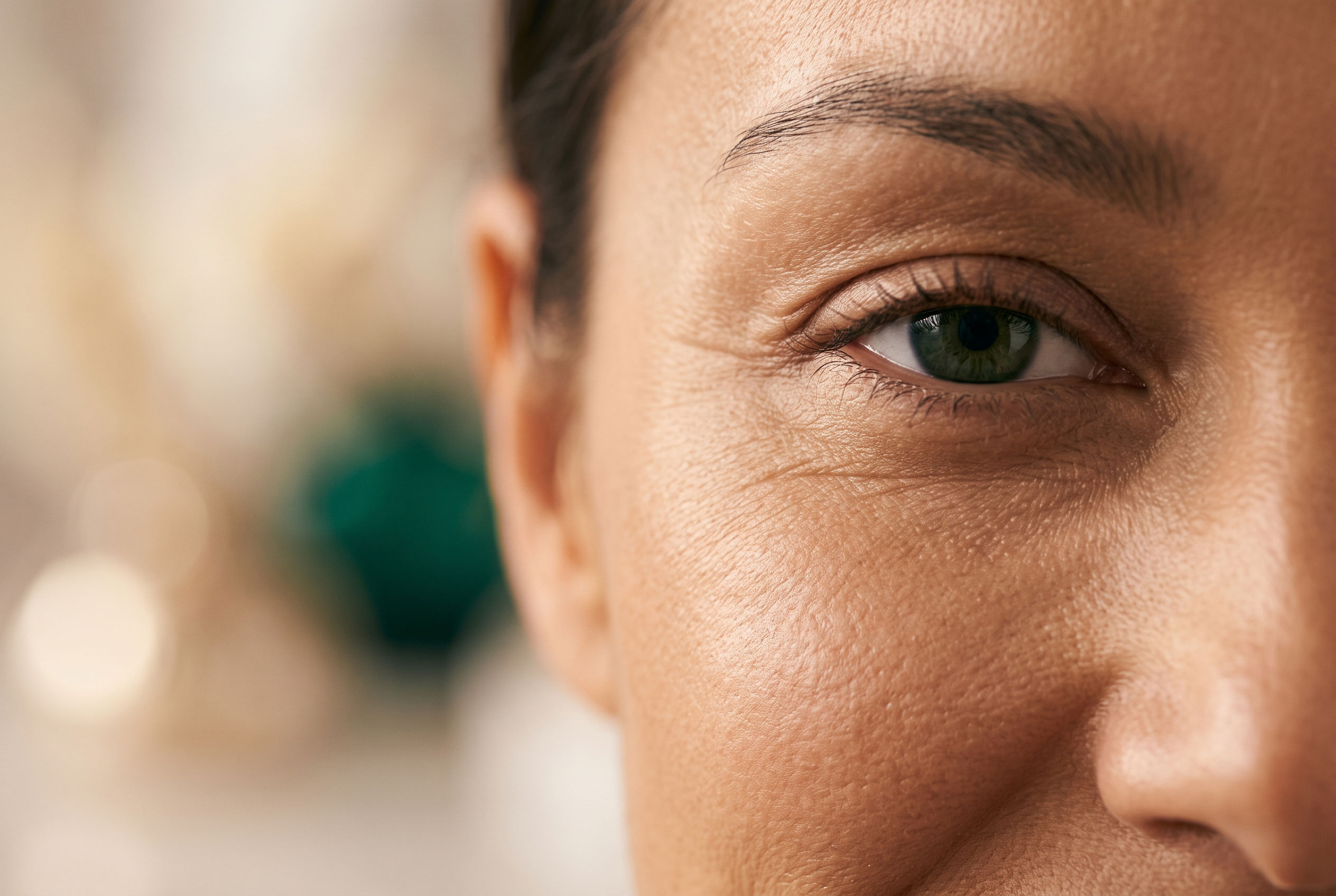
Crow’s Feet
Crow’s feet are the fine lines that fan out from the outer corners of the eyes, named for their resemblance to a bird’s footprint. Known medically as lateral canthal lines, they form from the repeated contraction of the muscle around the eye during everyday expressions such as smiling and squinting. Because they are driven largely by movement, they respond particularly well to botulinum toxin—which is why they are one of the most commonly treated areas in medical aesthetics.
-

Cupid’s Bow
The Cupid’s bow is the double-curved, M-shaped contour at the centre of the upper lip, named after the bow carried by Cupid, the Roman god of love. Its two soft peaks and central dip give the upper lip much of its shape, and a well-defined Cupid’s bow is one of the features most associated with a youthful, attractive mouth. It is a key landmark in lip anatomy and a focal point in lip enhancement.
-

Daxxify
Daxxify is a brand of botulinum toxin type A used to soften the frown lines created by facial expression. Its active ingredient is daxibotulinumtoxinA, and like other neuromodulators it works by temporarily relaxing the small muscles that fold the skin. What sets Daxxify apart is its formulation—it is stabilised by a synthetic peptide rather than a protein carrier—and its notably longer duration of effect compared with earlier products.
-

Deoxycholic Acid
Deoxycholic acid is a naturally occurring bile acid that the body uses to help break down dietary fat. In medical aesthetics, a purified injectable form—sold in Canada as Belkyra—is used to reduce a “double chin” by permanently destroying fat cells beneath the chin. It is the injectable authorized by Health Canada specifically for this purpose, offering a non-surgical option for fullness under the jaw.
-

Depressor Anguli Oris (DAO)
The depressor anguli oris (DAO) is a small, triangular facial muscle that runs from the jaw up to the corner of the mouth and pulls that corner downward. It is the muscle behind a frown or a downturned, “sad” mouth. Because an overactive DAO can leave the mouth corners turned down even at rest, it is a common target for botulinum toxin, which relaxes the muscle so the corners can sit in a more neutral, lifted position.
-

Dermal Filler
A dermal filler is an injectable gel used to restore volume, soften folds and refine the contours of the face. Most modern fillers are made from hyaluronic acid, a substance the body produces naturally, though other materials are also used. Fillers add structure where the face has lost it—or enhance features such as the lips and cheeks—and, unlike surgery, they are placed with a fine needle or a blunt cannula in a short in-clinic visit.
-
Dermaplaning
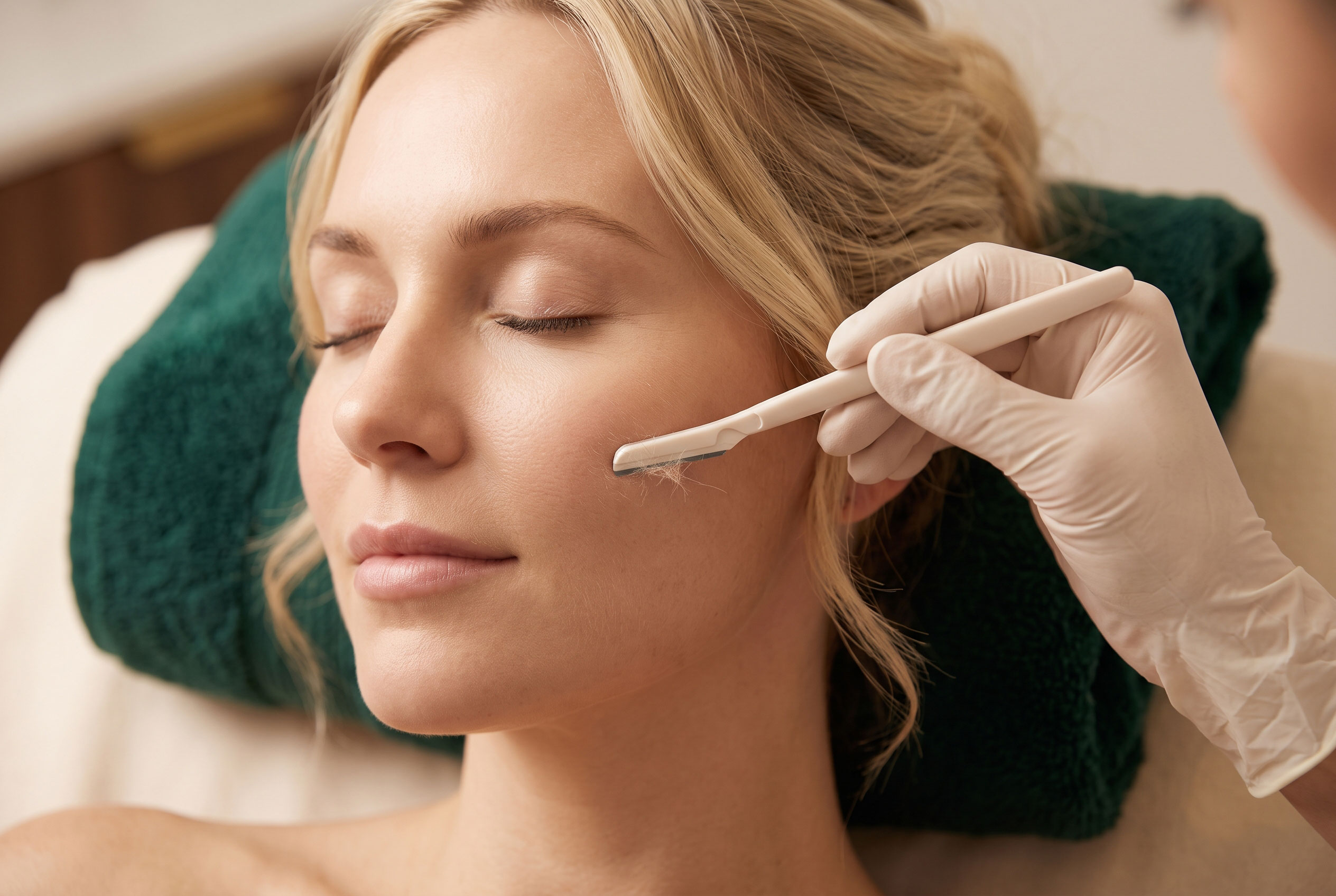
Dermaplaning is a physical exfoliation treatment that uses a sterile surgical blade, held at an angle, to gently remove the outermost layer of dead skin cells along with the fine vellus hair (“peach fuzz”) on the face. The result is instantly smoother, brighter skin and a clean canvas that lets skincare and makeup sit better. It is a quick, low-downtime way to refresh the complexion—and a mechanical alternative to chemical exfoliation.
-

Dynamic Wrinkles
Dynamic wrinkles are the lines that appear when you make a facial expression—frowning, squinting, smiling or raising your brows—and soften or disappear when your face is at rest. They are caused by the repeated contraction of the muscles beneath the skin, and they are the classic target for botulinum toxin, which relaxes those muscles to smooth the lines.
-

Dysport
Dysport is a brand of botulinum toxin type A used to soften the lines created by facial expression. Its active ingredient is abobotulinumtoxinA, and it works the same way as other neuromodulators—by temporarily relaxing the small muscles that fold the skin. Like Botox, it is a prescription treatment for dynamic wrinkles, and it is one of several botulinum toxin brands a practitioner may choose from.
-

Elastin
Elastin is the stretchy structural protein that gives skin its springiness—its ability to stretch and then snap back into place. It works alongside collagen in the dermis: where collagen provides firmness and tensile strength, elastin provides recoil and flexibility. Because the body largely stops making new elastin after early life, protecting the elastin we already have is a central goal of skin health and anti-ageing care.
-

Facial
A facial is a professional, non-invasive skincare treatment that cleanses, exfoliates and nourishes the skin of the face. Performed by a trained skincare professional and tailored to your skin type and concerns, a typical facial combines deep cleansing, exfoliation, extractions, a mask and hydration—often with a relaxing massage. It is one of the most familiar treatments in aesthetics, valued both for its skin-health benefits and for the calm, restorative experience.
-

Fibroblasts
Fibroblasts are the workhorse cells of the skin’s connective tissue. Found mainly in the dermis, they build and maintain the scaffold that keeps skin firm, plump and resilient—producing collagen, elastin and the other components of the extracellular matrix. They are also the cells that drive wound healing. Because so many aesthetic treatments work by prompting fibroblasts to make fresh collagen, understanding these cells is key to understanding how skin ages and how it can be improved.
-
Fitzpatrick Skin Phototype
The Fitzpatrick skin phototype is a widely used system that classifies skin into six types based on how it responds to sun exposure—in particular, how easily it burns and how readily it tans. Developed by dermatologist Thomas Fitzpatrick in the 1970s, it runs from Type I (very fair skin that always burns and never tans) to Type VI (deeply pigmented skin that never burns). In medical aesthetics it is an important tool for planning treatments safely, because a person’s phototype helps guide the right settings for lasers, light-based devices and peels.
-

Glabella
The glabella is the smooth area of the forehead between the eyebrows, just above the nose. It is best known in aesthetics as the home of frown lines—the vertical creases (often called “the 11s”) that appear between the brows when you frown or concentrate. Because these lines are created by a small group of muscles, the glabella is one of the most common areas treated with botulinum toxin.
-
Hyaluronic Acid
Hyaluronic acid (HA) is a naturally occurring, water-loving molecule found throughout the body—in the skin, eyes and joints—where its main job is to hold moisture and cushion tissue.
-
Hyaluronidase
Hyaluronidase is an enzyme that breaks down hyaluronic acid. In medical aesthetics it plays a very specific and important role: it is the substance used to dissolve hyaluronic acid (HA) dermal fillers. Think of it as the “undo button” for HA filler—a way to soften, reshape or completely reverse a filler result, and, most importantly, the emergency treatment used if filler ever compromises a blood vessel. At a glance What is hyaluronidase? Hyaluronidase is an enzyme that degrades hyaluronic acid, the water-loving molecule that forms the basis of most modern dermal fillers and is also found naturally throughout the skin.[1]…
-
Nuceiva
Nuceiva is a brand of botulinum toxin type A used to soften frown lines—the vertical creases that form between the eyebrows. Its active ingredient is prabotulinumtoxinA, and it works the same way as other neuromodulators: by temporarily relaxing the small muscles that fold the skin during expression. Nuceiva is a relatively recent arrival to the Canadian market and is the same product sold in the United States under the name Jeuveau.
-
Xeomin
Xeomin is a brand of botulinum toxin type A used to soften the lines created by facial expression. Its active ingredient is incobotulinumtoxinA, and it works the same way as other neuromodulators—by temporarily relaxing the small muscles that fold the skin. What distinguishes Xeomin is its formulation: it is a highly purified toxin “free from complexing proteins,” sometimes described as a “naked” or pure neurotoxin. At a glance What is Xeomin? Xeomin is a purified botulinum toxin type A preparation whose active ingredient is incobotulinumtoxinA, manufactured by Merz.[1] Like other neuromodulators, it is a prescription medicine used to temporarily soften…